


Appinio

Product Design, Strategy, Design System

Designing a high-retention consumer research app

Appinio is a consumer research platform that rewards people for sharing their opinions. It combines paid surveys with a global opinion community: users create polls, discuss current topics, and build their profile while contributing data for brands worldwide. Today the app has 50,000+ monthly active users across 10+ countries.

Over four years as product designer, I built a design system and led multiple redesigns: community feed, survey experience, retention systems, rewards, referrals, trust and safety. Every initiative had two goals: give users a reason to return daily, and build a survey experience that collects high-quality insights for brands.

Community as a Retention Advantage

Most survey apps share the same problem: users register for paid surveys, but depending on their sociodemographic, surveys can be scarce, so they churn. We solved this by building something worth returning to daily even without surveys available: a global, gamified and fun community in which users can continue sharing opinions.

Everyone can create their own polls, choosing from 5 different types, and build social capital along the way. To browse those polls, there are two core experiences:

  • A swipeable feed to discover polls by interests and engage with them by voting, liking, commenting, and more.
  • A discovery tab displaying polls either in a scrollable list (sorted by popularity, recency, or categories), or in an interactive map view.

The challenge: Polls are text-based, but compete for attention with short-form video feeds in other popular apps. To solve this, the experience leans heavily on design, motion, sound and haptics. This holds attention and makes the community feel more like a game than a form.
Making Sure Earning Never Stops

While the community features help with short-term retention while surveys are scarce, users still come for earnings, so we needed a solution for longer gaps too.

For this, we introduced additional earning opportunities: daily bonuses, a referral system, a rewarded level system, or peer-to-peer gifts. The integration of third-party surveys added further supply, but only unlocked after Appinio surveys ran out. This approach gives users extra earning potential without cannibalizing Appinio's own surveys.

Preventing Churn After Payout

Right after payout is where most survey apps lose their users. The cycle ends, the wallet hits zero, and there's often no motivation to start over. We changed the experience in three ways.

First, we added new payout options alongside the existing €10 one. A €5 option shortened cycles and kept motivation high even after payout. €25 and €50 options encouraged users to save, pushing the critical drop-off moment further into the future.

Second, to keep wallets from hitting zero after payout, we introduced a coin bonus users get right after their payout: the higher the payout, the bigger the bonus. This kickstarts the next cycle and uses loss aversion to keep users from walking away.

Third, we turned the payout moment itself into a celebration: a high-dopamine success animation with a 3D gift card linked to the phone's gyroscope, and a 7-day public payout badge in the community that motivates users to keep engaging even after they've cashed out.

Appinio AI video probing qualitative surveys

Making Research Feel Like a Conversation

Traditional market research forces people through long, repetitive forms. We redesigned Appinio's survey experience around the opposite idea: answering questions should feel like sharing an opinion in conversation, not filling out a questionnaire. More than thirty question types came together in a conversational interface, producing higher quality insights by design.

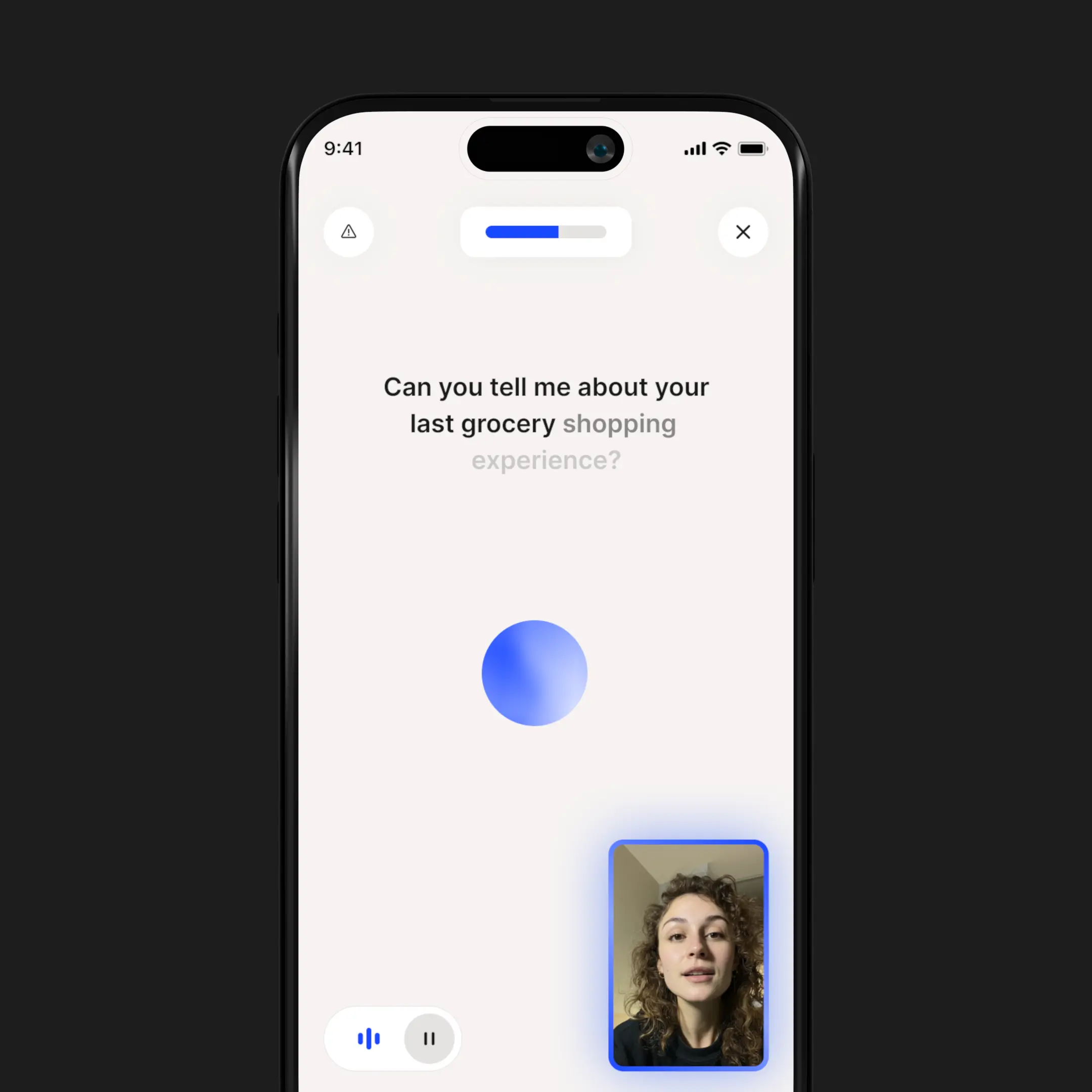
As AI models matured, we explored extending this philosophy from quantitative data collection into qualitative voice and video interviews. In design explorations and coded prototypes, AI asked relevant follow-up questions in real time, opening the door to a new depth of insights for companies researching with Appinio.

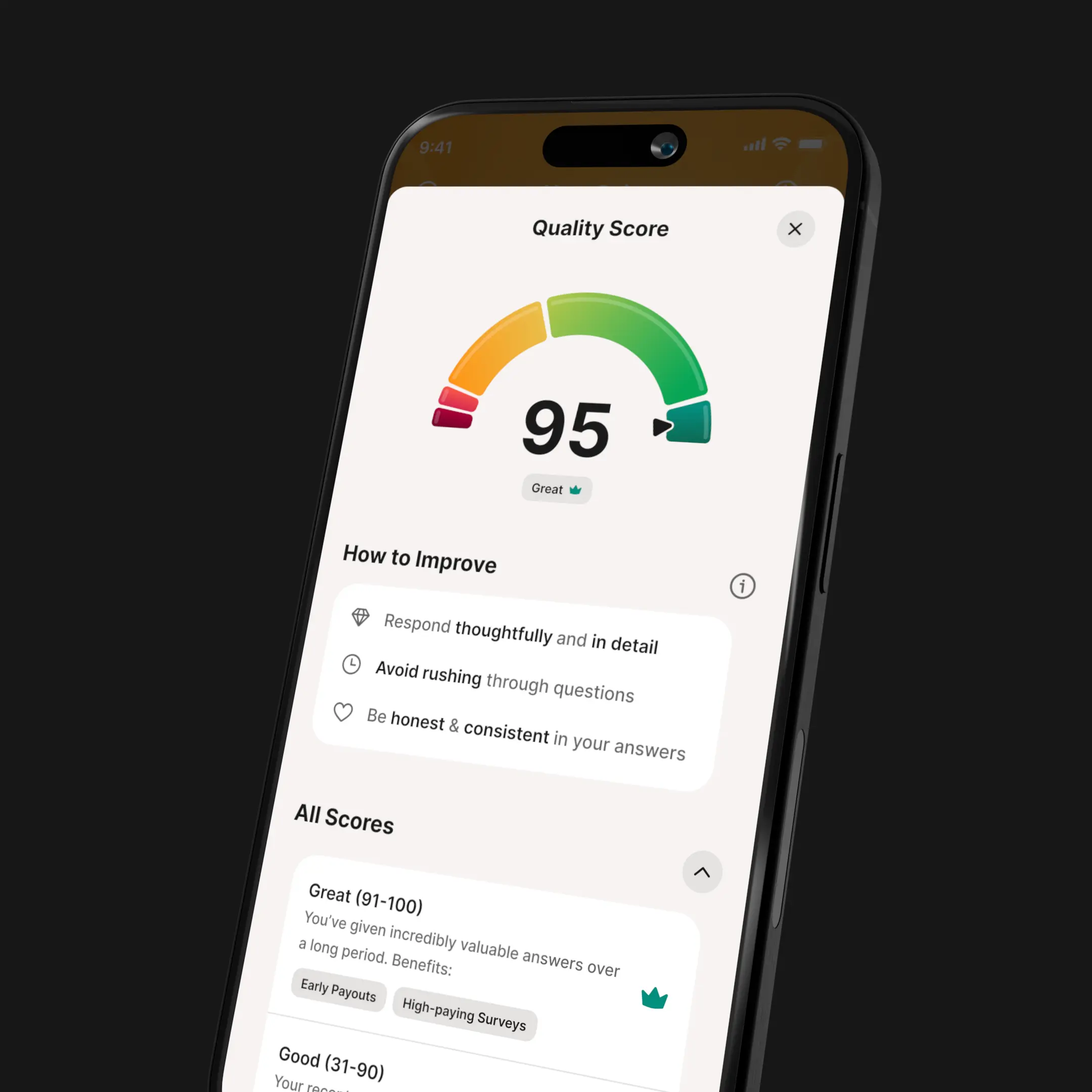
Appinio global rankings Appinio quality score

Keeping Users Invested with Status and Progression

We introduced gamification mechanics throughout the app to reward behaviors that improve retention, engagement, and data quality. The system combined progression, competition, and social status, turning Appinio into a game-like experience where users invested in their identity and reputation.

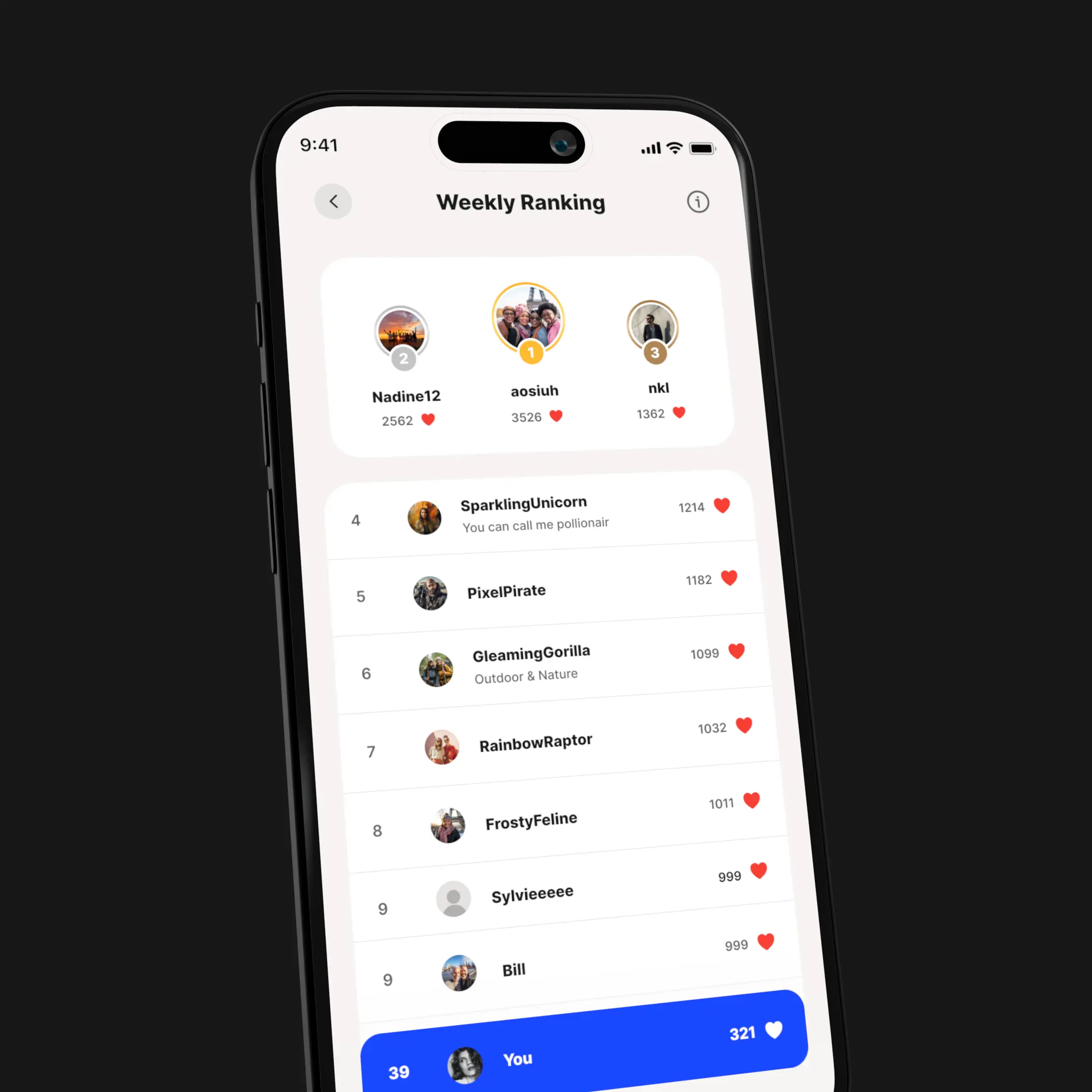
A gamified quality score rewarded thoughtful answers. A level system rewarded community participation with survey pay raises. Global rankings highlighted top poll creators, and profiles became a place to build social status, through followers, profile visitors, earnings, personality types, poll history, customization, levels, and ranks. Combining temporary status that had to be maintained with permanent achievements gave users something to build, protect, and return to over time.

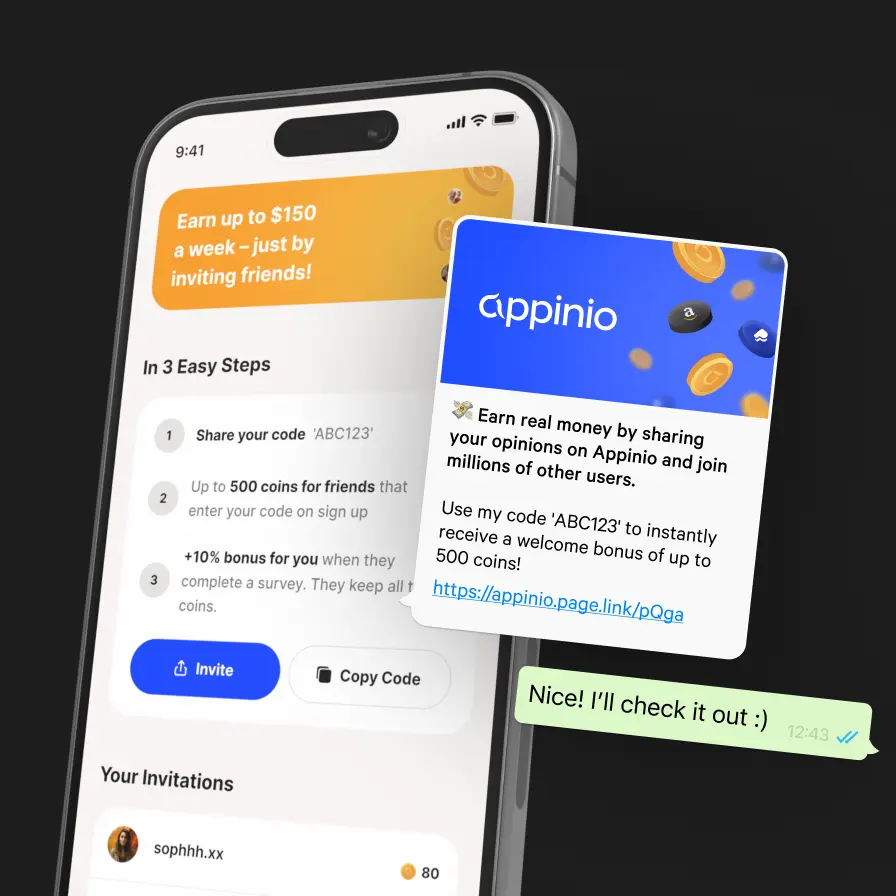
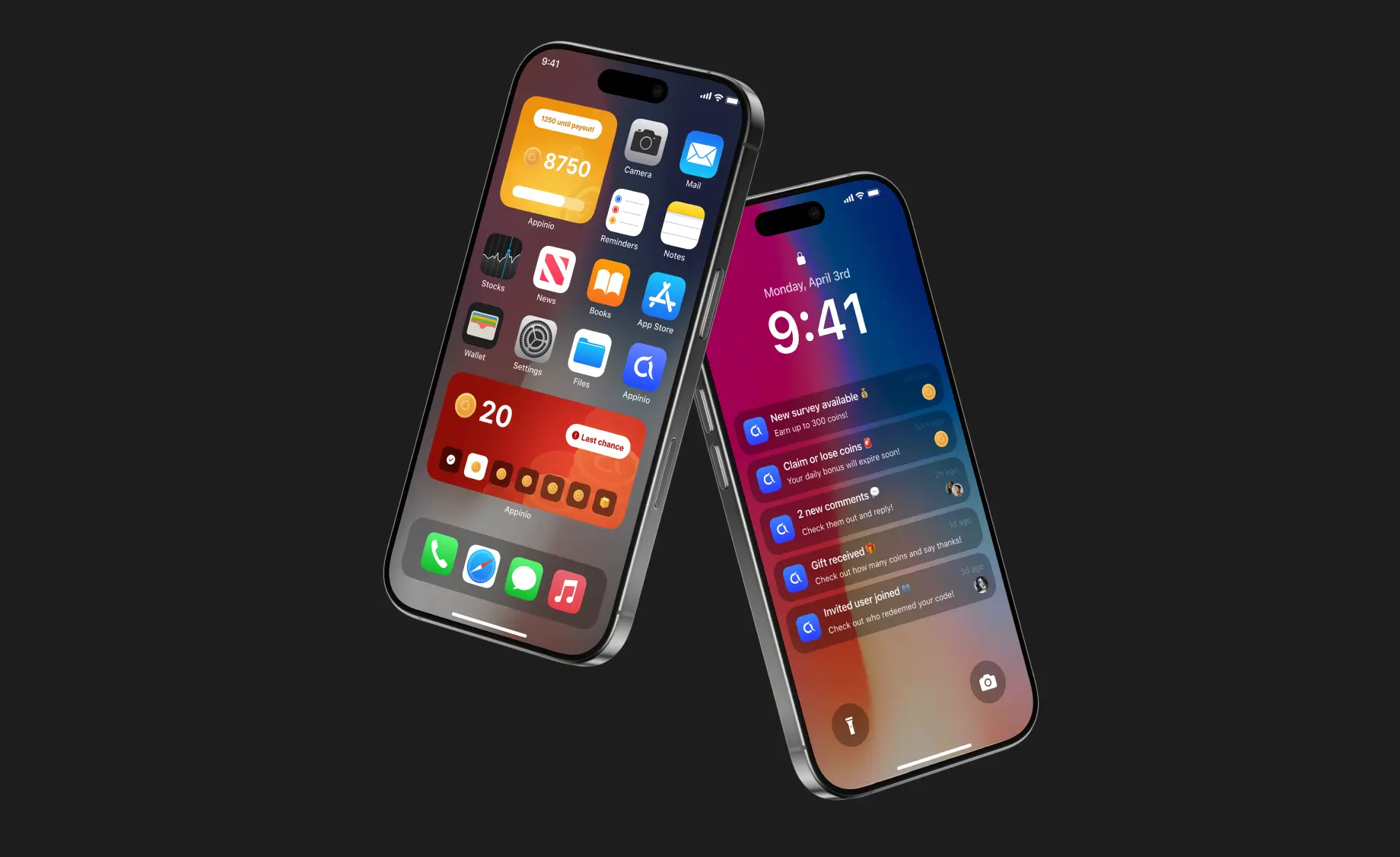
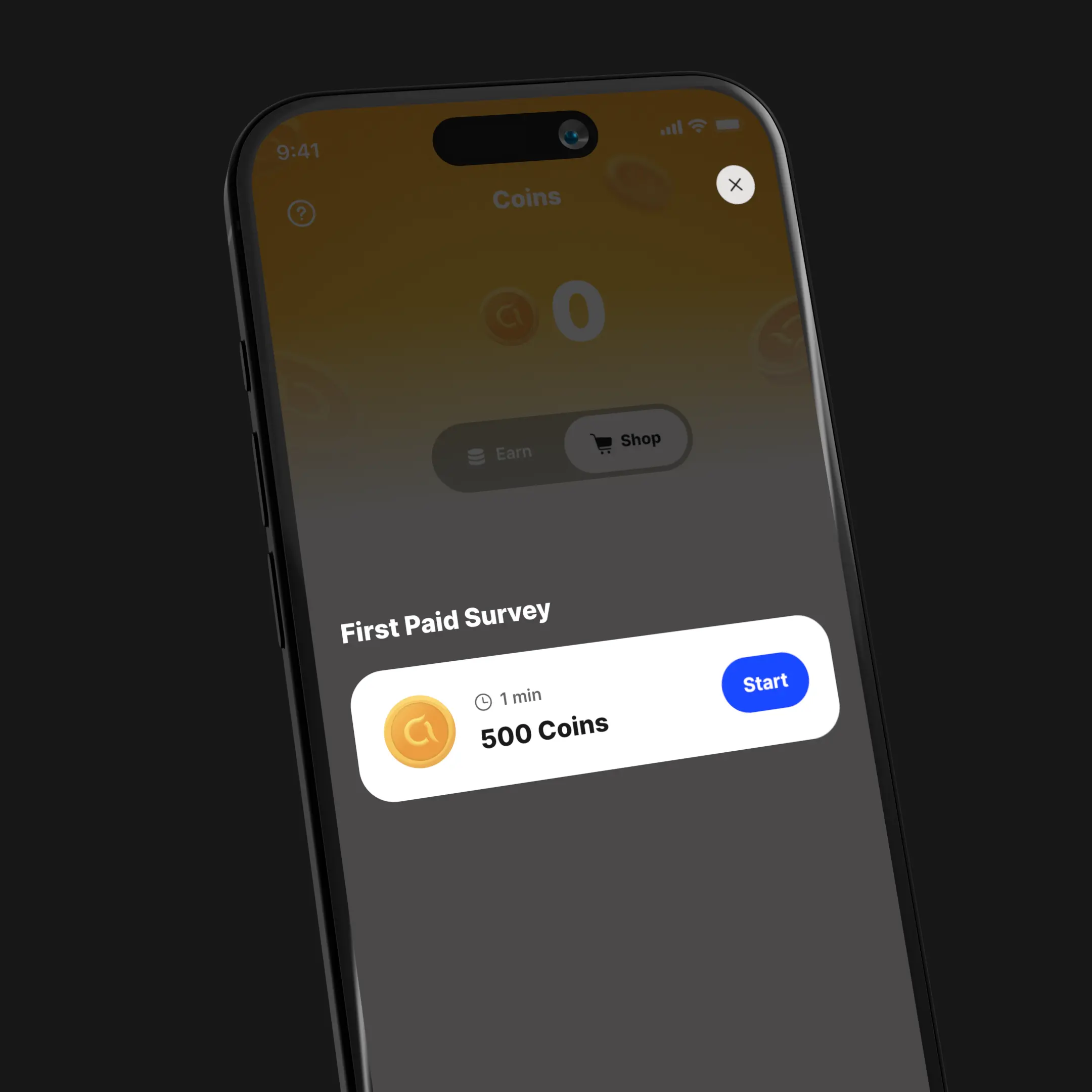
Appinio referral system Appinio reactivation push notifications Appinio reactivation tutorial

Accelerating Growth While Decreasing Acquisition Cost

To lower user acquisition cost while still accelerating growth, a set of complementary features was designed:

  • A redesigned referral system to push organic growth and turn users themselves into the growth engine.
  • A reactivation bonus for inactive users that can be collected through a gamified lucky wheel.
  • Home screen widgets and push notifications as a subtle reminder of the app being installed on the phone.
  • A high-conversion first-time user experience achieved through tutorial overlays that guide users to their first success moments fast and make a second session more likely.

Combined, these changes increased referral volume by 10x and strengthened retention on both sides of the referral. They also reactivated thousands of users. The redesigned first-time user experience drove high conversion through to the first survey earning in the first session, and total acquisition costs dropped substantially.

Appinio phone verification

Protecting the Data Brands Pay For

Bad actors cost Appinio's research business money in two ways.

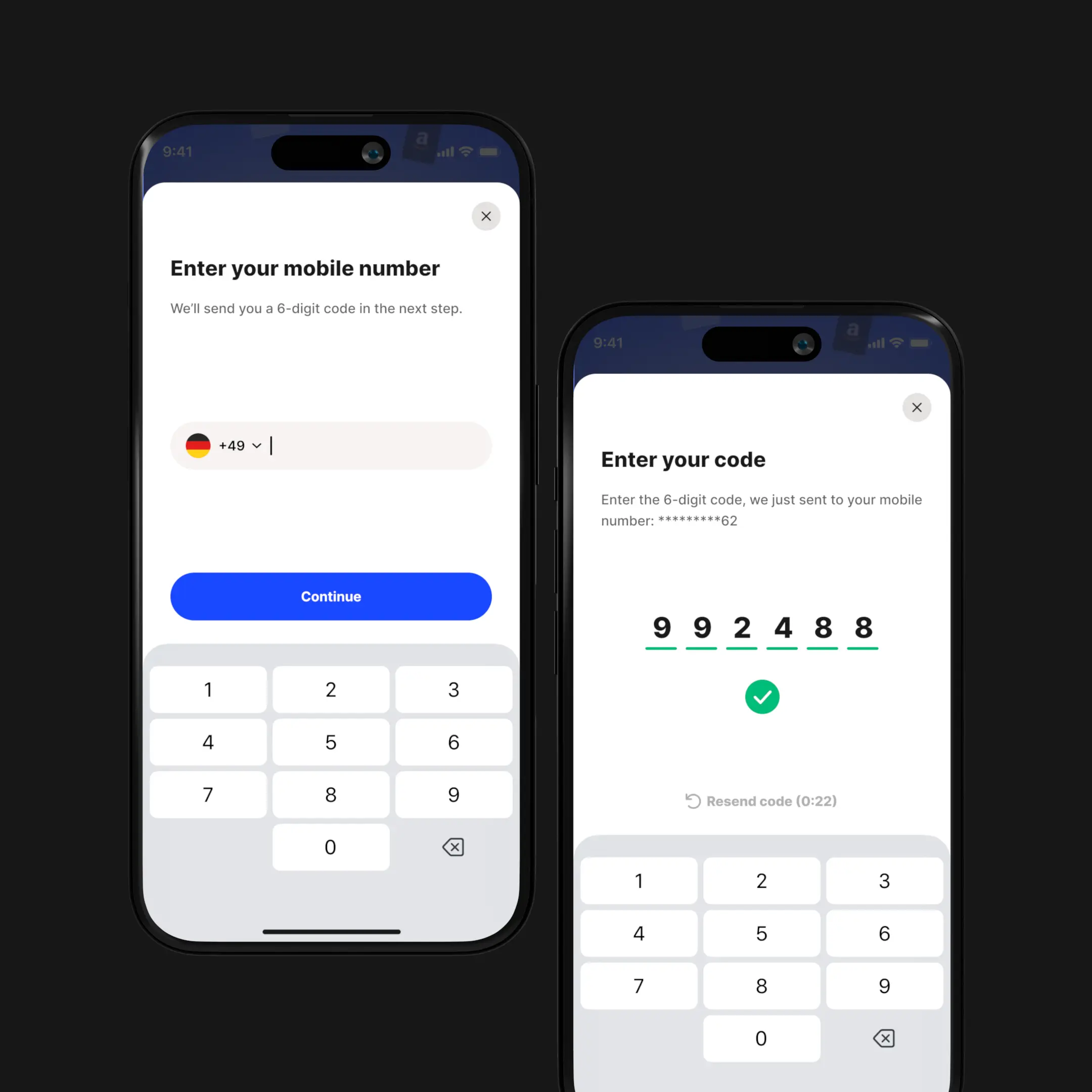
Multi-account users exploit the system by pretending to be several eligible people at once. We closed this by removing logout and email sign-up in favor of Apple and Google sign-in, layered with device fingerprinting, phone verification, and a voluntary, rewarded ID verification step.

The newer threat is AI agents automating survey answers to farm rewards, quietly polluting the data client companies pay for. We countered it with optical-illusion control questions, trivial for humans but unsolvable for AI, alongside screenshot and copy-paste prevention and real-time keystroke and mouse-movement analysis that catches a bot's behavioral signature.

The philosophy behind both: overlapping, redundant defenses instead of a single gate. Where possible, protection stays invisible; where it can't, we reframe it as a benefit, rewarding users for taking part. Either way, honest users barely notice, while bad actors get filtered out at some point of the user journey.

Balancing AI-powered and Human Support

Support volume grew with the community, but the support team didn't. To solve capacity issues without losing user trust & safety, we removed email support and replaced it with a scalable in-app help center: a base of help articles with powerful search, and a quick path to open a request when articles aren't enough.

An AI bot answers and resolves most requests directly. If it can't help, it escalates fast to a human, instead of trapping users in an endless loop of unhelpful answers, one of the fastest ways to burn trust in support. Users always know if they're talking to a machine or human. The help center reduced support volume, improved app ratings and user satisfaction, and let us scale the app without scaling the support team.

Appinio design system

Design Infrastructure for the AI-Age

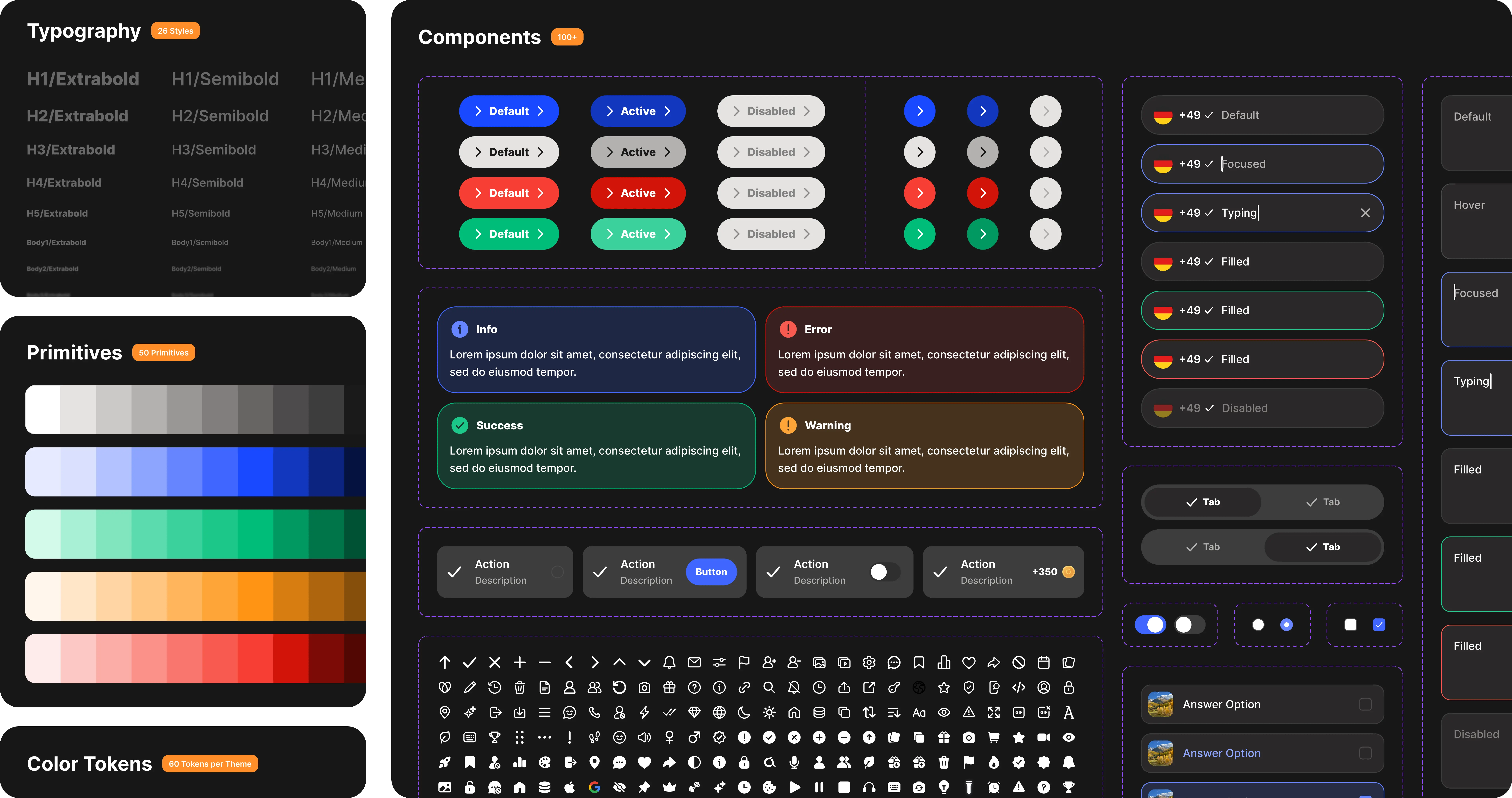
As Appinio expanded across hundreds of screens and even multiple products, consistency got harder to maintain. I rebuilt the design system from the ground up: token-based color, type and styling foundations, reusable components, guidelines for motion, haptics, and sound.

The system was designed not only for designers and engineers, but increasingly for AI. Components closely mirrored production code, including detailed guidelines for tokens, variants and states, enabling rapid prototyping with AI-powered coding tools. The design system became infrastructure that accelerated product development across the company.